Neighborhood Guides
The Harvard-Belmont Landmark District is located on the western edge of Capitol Hill.
Written by Kale Corey
Seattle real estate agent specializing in North Capitol Hill
Last updated October 2026
The Harvard-Belmont Landmark District is located on the western edge of Capitol Hill and roughly bordered by Lakeview Blvd E, Belmont Ave E, 10th Ave E, and Roy Street. The neighborhood is known for its protected early 20th century architecture, but it also offers a range of different home types and price points. You’ll find a charming 1-bedroom condo for $400,000 and a $4 million estate within the same designated boundary.
Designation | City of Seattle Landmark District; also listed in the National Register of Historic Places |
|---|---|
Location | Western slope of Capitol Hill, Seattle |
General price range | Approximately $400,000 to $3 million, with large single-family estates selling above that range |
Housing types | Historic estates, modest single-family houses, luxury townhomes, historic apartments, and condos |
Architecture | Primarily early-twentieth-century architecture, including Tudor-influenced, classical, Spanish-style, and Shavian designs |
Neighborhood character | Tree-lined and curving streets, landscaped grounds, wooded ravines, historic institutions, and views toward Lake Union and Queen Anne |
Approximate boundaries | East Roy Street to the south, Broadway East and Harvard Avenue East to the east, the wooded ravine near St. Mark's Cathedral to the north, and the western slope above I-5 |
Harvard-Belmont is Seattle’s only residential Landmark District. Rather than protecting a commercial center or an individual monument, the designation covers a primarily residential neighborhood whose architecture, landscaping, street pattern, and natural setting work together to create its historic character.
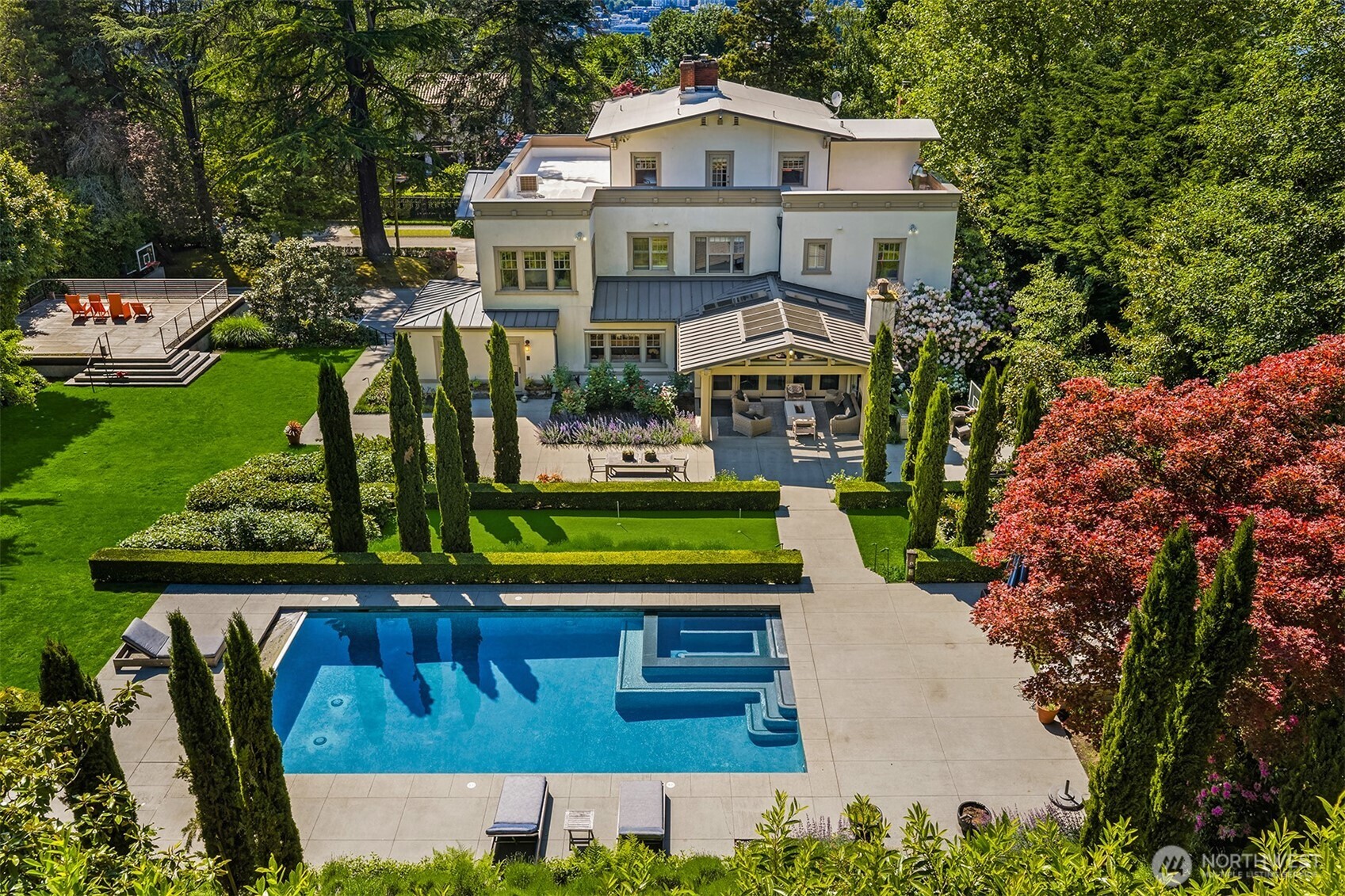
That character is not limited to mansions. Large estates are interspersed with modest wood-frame houses, apartments, condos, townhomes, cultural institutions, and commercial spaces. Some houses predate 1900, many were constructed during the first decade of the twentieth century, and later additions include apartment buildings and simpler residences from the 1920s through the early 1940s.
A landmark designation might sound like it automatically comes with a multimillion-dollar price of entry, but that is not the case here. Harvard-Belmont is one of the few places where a relatively attainable condo and a landmark estate can share both a boundary and a designation.
The topography is a major part of the neighborhood’s identity.
The land is relatively flat near Broadway East and Harvard Avenue East before sloping gradually—and then much more steeply—toward the west. That hillside setting gives many properties dramatic sites and views toward Lake Union and Queen Anne.
The northern edge is a deep wooded ravine between the Sam Hill House and the properties surrounding St. Mark’s Cathedral. East Roy Street creates a transition at the southern edge, where the neighborhood begins to shift toward apartments, institutions, and Broadway’s commercial activity.
Harvard-Belmont also departs from Capitol Hill’s usual street grid in places. Diagonal and curving streets follow the natural contours of the slope, contributing to the neighborhood’s quieter, almost pastoral feeling despite its proximity to downtown.
Harvard-Belmont began developing during Seattle’s rapid growth just after the turn of the twentieth century.
Railroad builder and influential Seattle businessman H.C. Henry was one of the first prominent residents to settle in the area. Although his house no longer stands, his presence helped attract other wealthy and influential residents.
During the first decade of the 1900s, merchants, bankers, lawyers, engineers, lumber barons, shipbuilders, entrepreneurs, and other business leaders built impressive houses along Harvard Avenue East, Belmont Place East, and the surrounding streets. Additional large residences followed during the next two decades, while some existing mansions changed hands between equally affluent owners.
The result is a neighborhood closely tied to one of Seattle’s most consequential periods of economic growth, and to the people who helped shape the developing city.
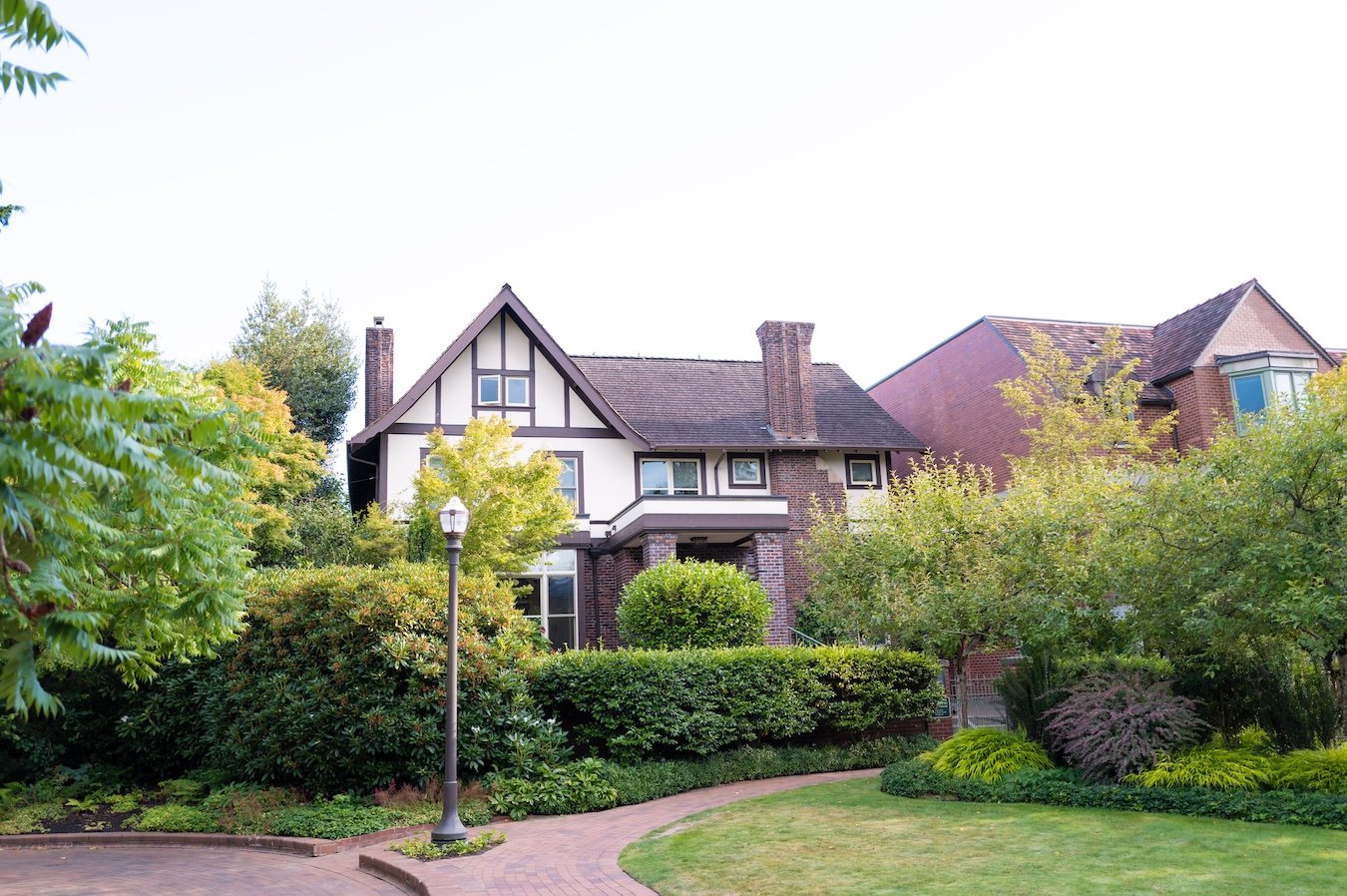
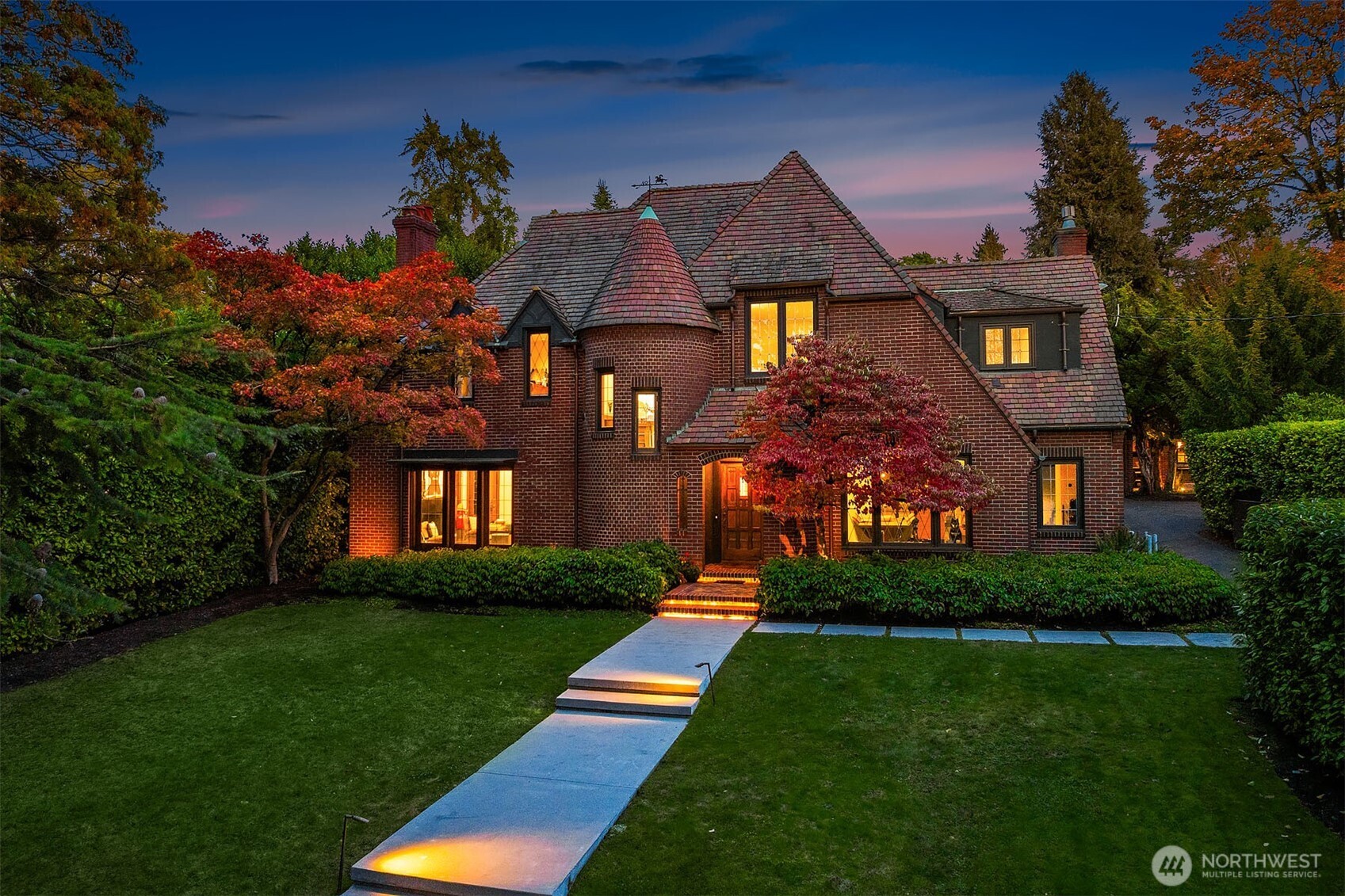
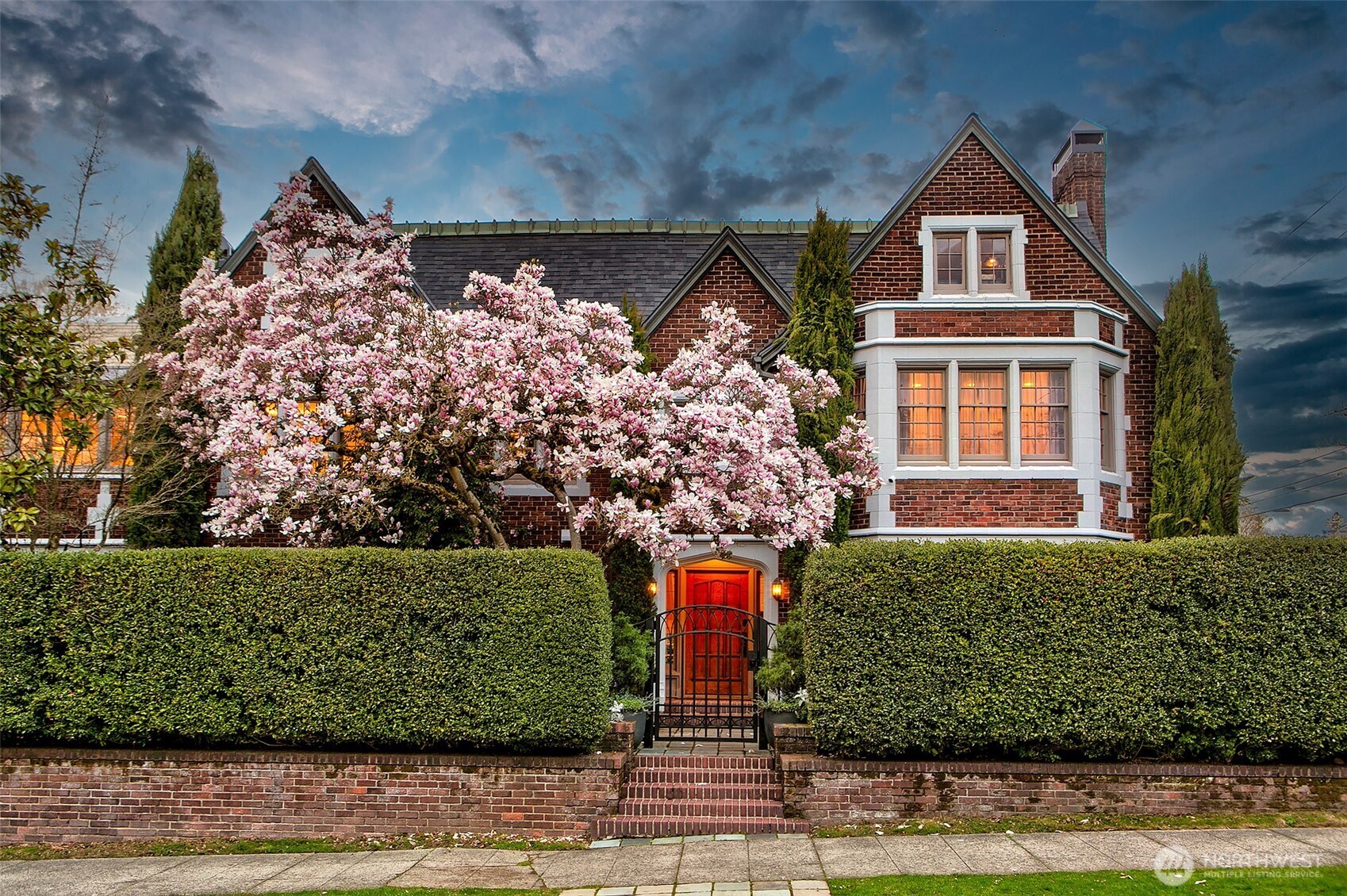
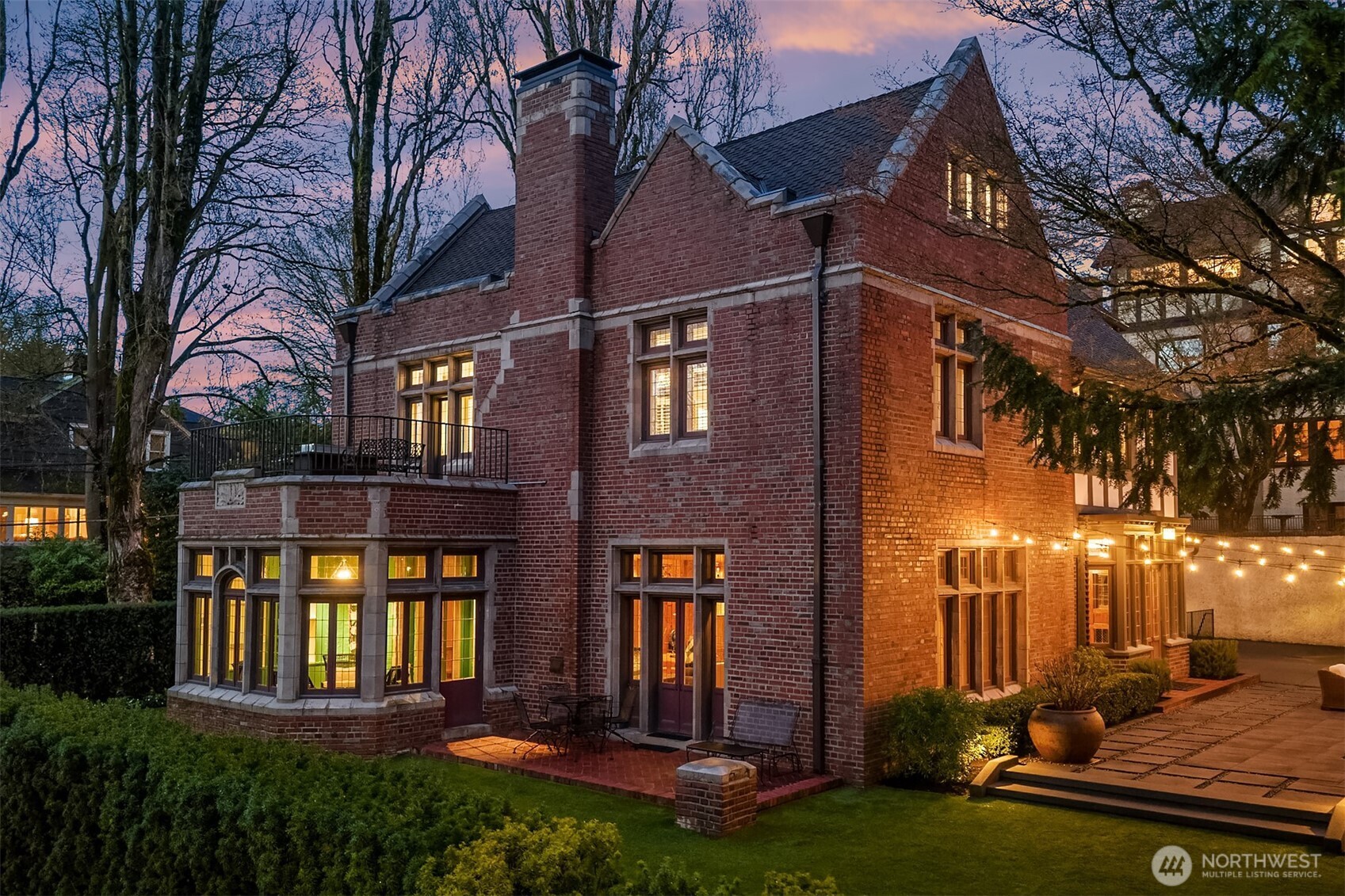
Harvard-Belmont contains a wide range of architectural styles, including several homes influenced by English architect Richard Norman Shaw. These Shavian designs are known for brickwork, decorative half-timbering, steep rooflines, asymmetrical forms, and leaded glass. Notable examples include the Fisher houses on Belmont Place East, along with the M.H. Young, C.H. Bacon, J.A. Kerr, and W.L. Rhodes houses.
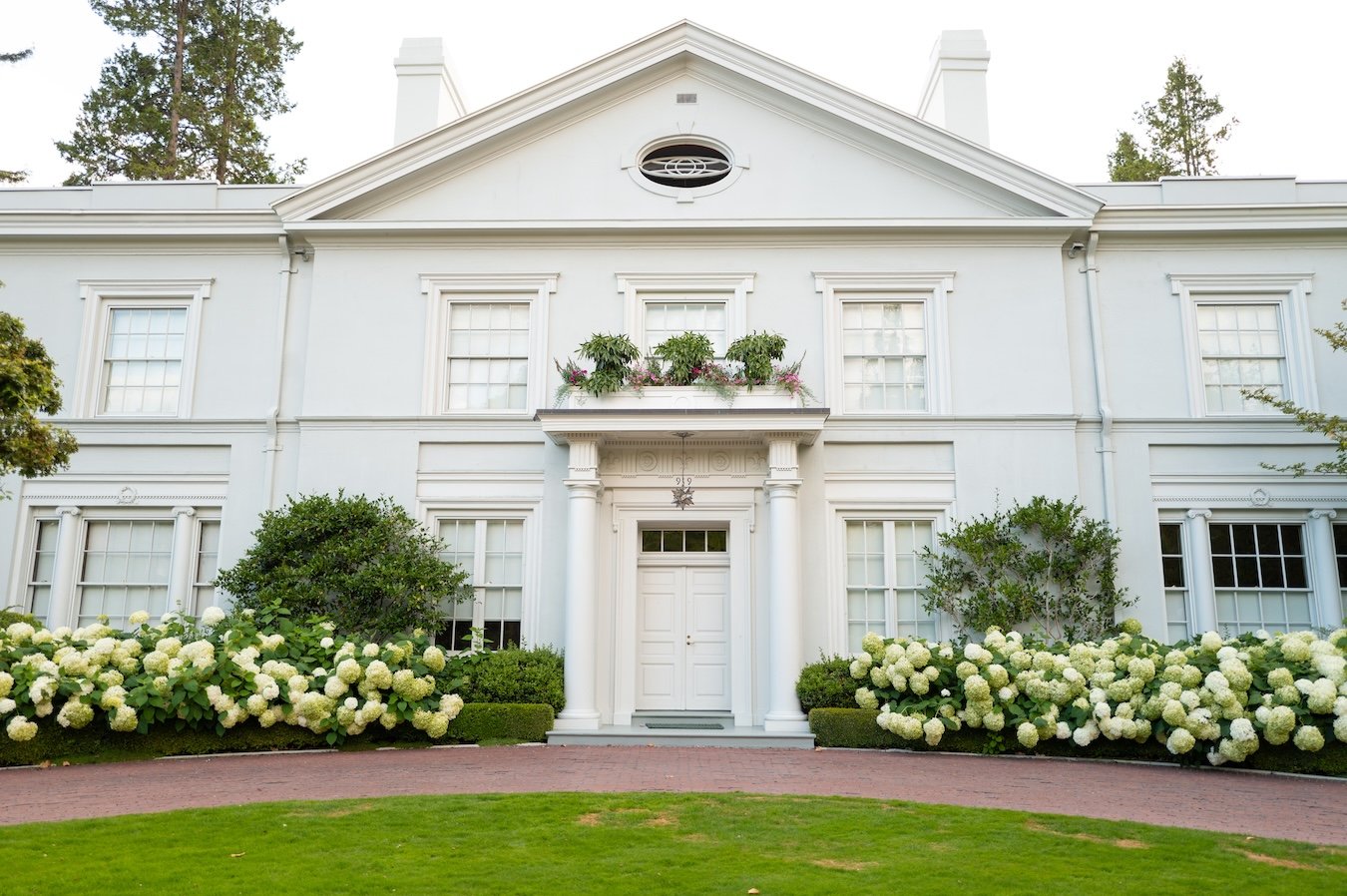
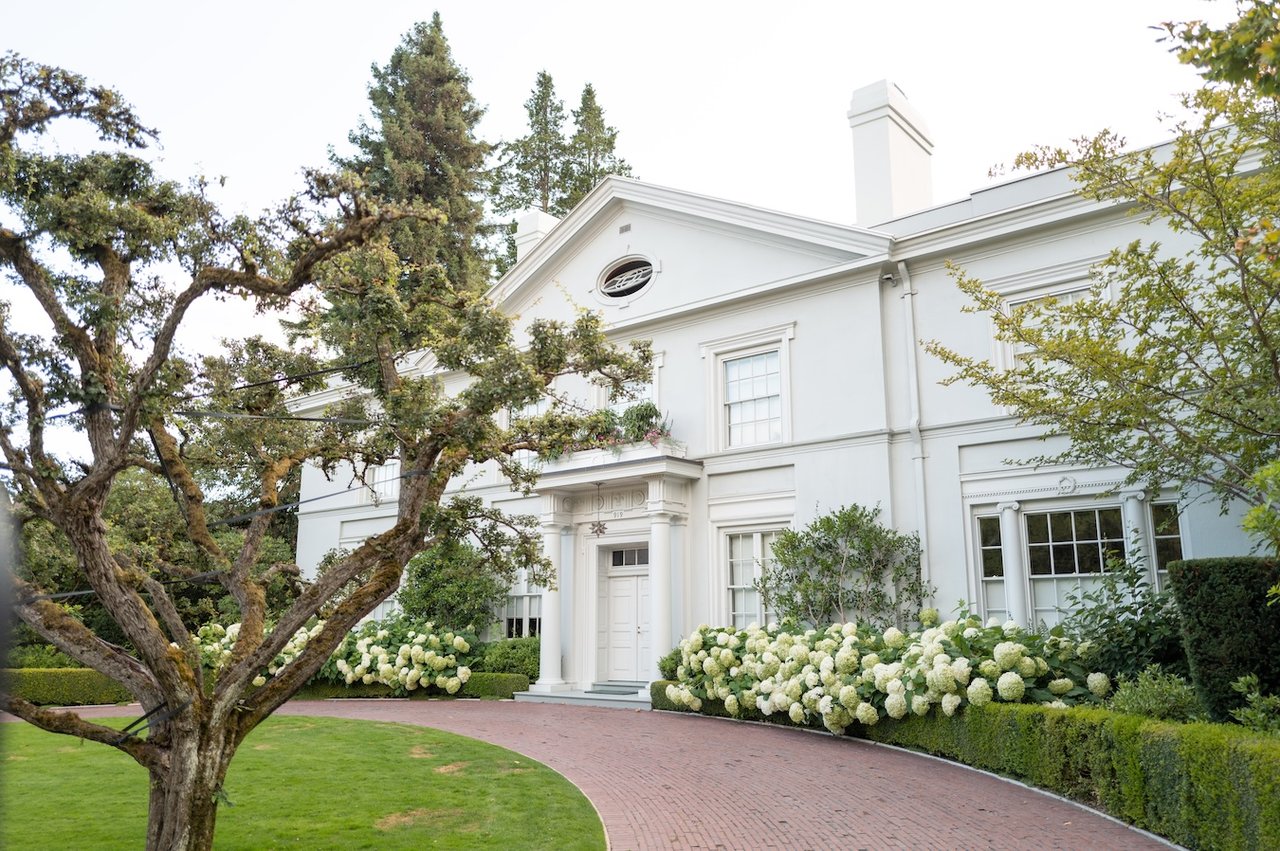
Other residences reflect a more formal classical tradition, including the R.D. Merrill, Chapin-Eddy, and Brownell-Bloedel houses. The district also features work by prominent local and national architects, contributing craftsmanship that is difficult to reproduce today: substantial millwork, masonry construction, distinctive floor plans, landscaped courtyards, and homes designed around the hillside setting.
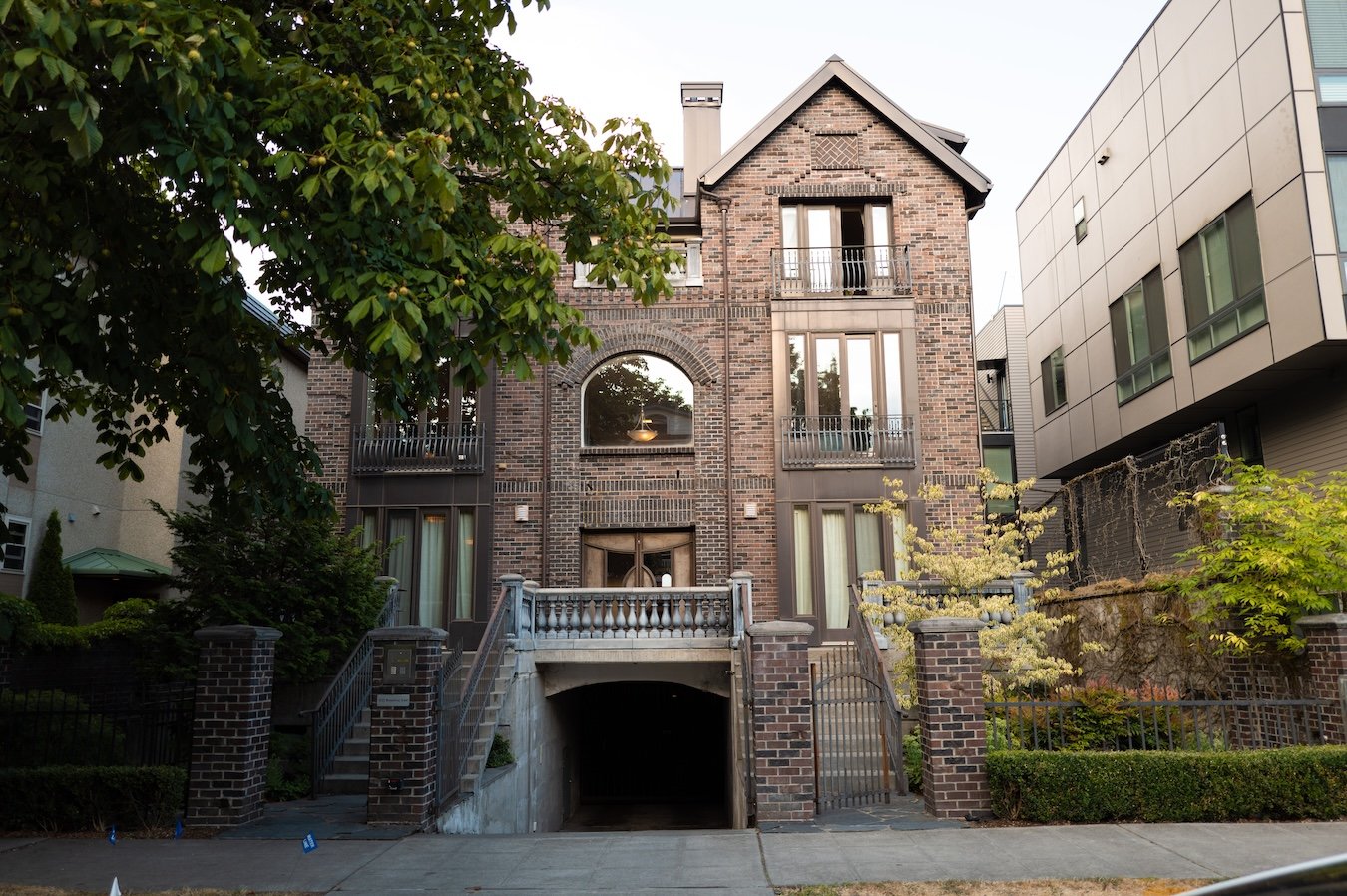
No. The variety of housing is one of the district’s most interesting characteristics.
Modest wood-frame houses are interspersed among the estates built for Seattle’s bankers, merchants, lumbermen, and other wealthy early residents. A few homes were built before 1900, many date from the first decade of the twentieth century, and additional simpler residences appeared during the late 1930s and early 1940s.
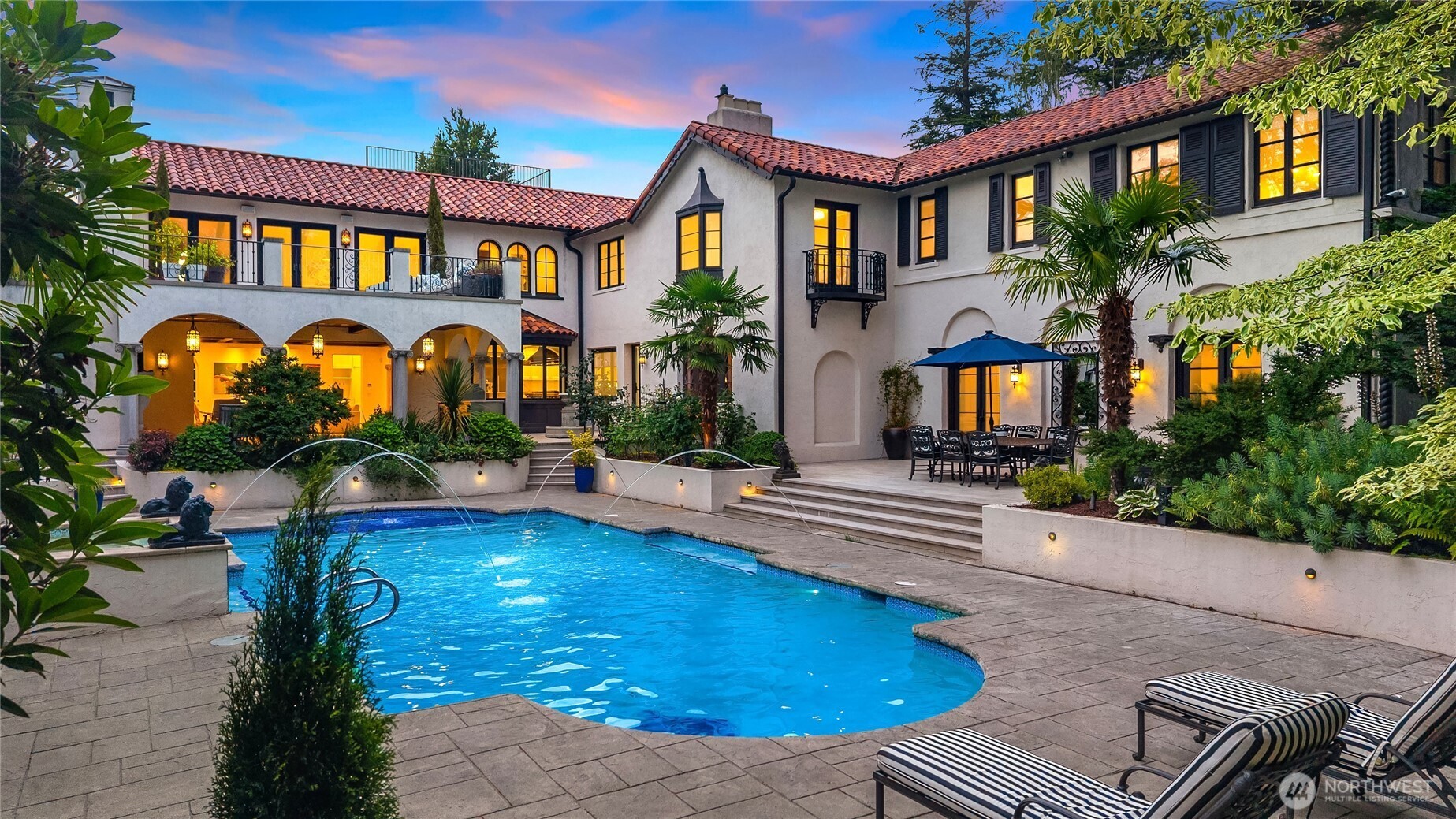
The 1920s brought another important layer of development. Spanish-style buildings such as the Hacienda Apartments and Tudor-influenced Anhalt apartment groups added denser residential options. The Cornish School and Woman’s Century Club also introduced significant cultural and institutional architecture near the southern and western edges.
This combination of uses and building types is part of what makes Harvard-Belmont feel like a real neighborhood rather than a preserved collection of isolated mansions.
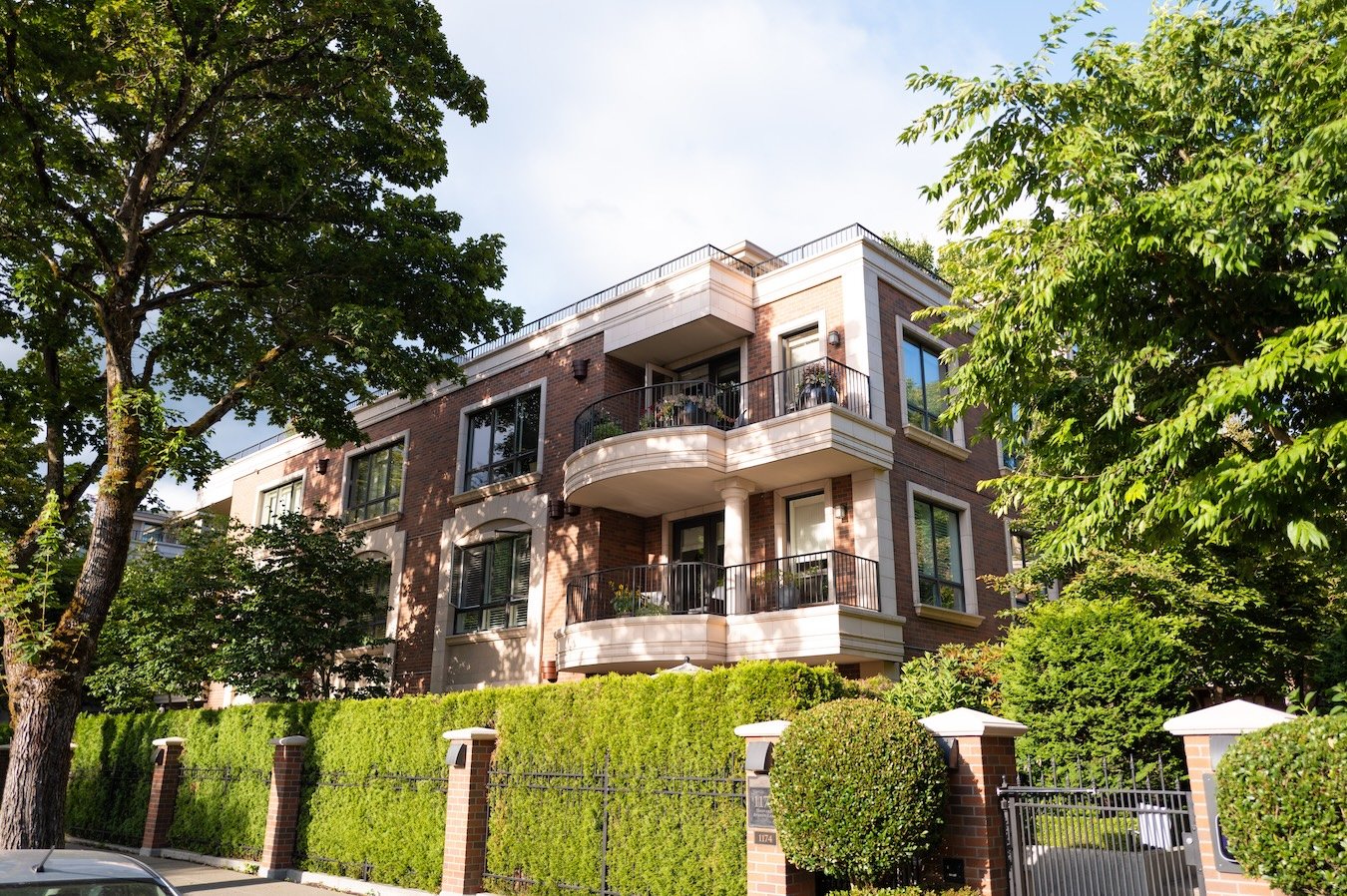
Harvard-Belmont offers more housing variety than many buyers expect from a Landmark District.
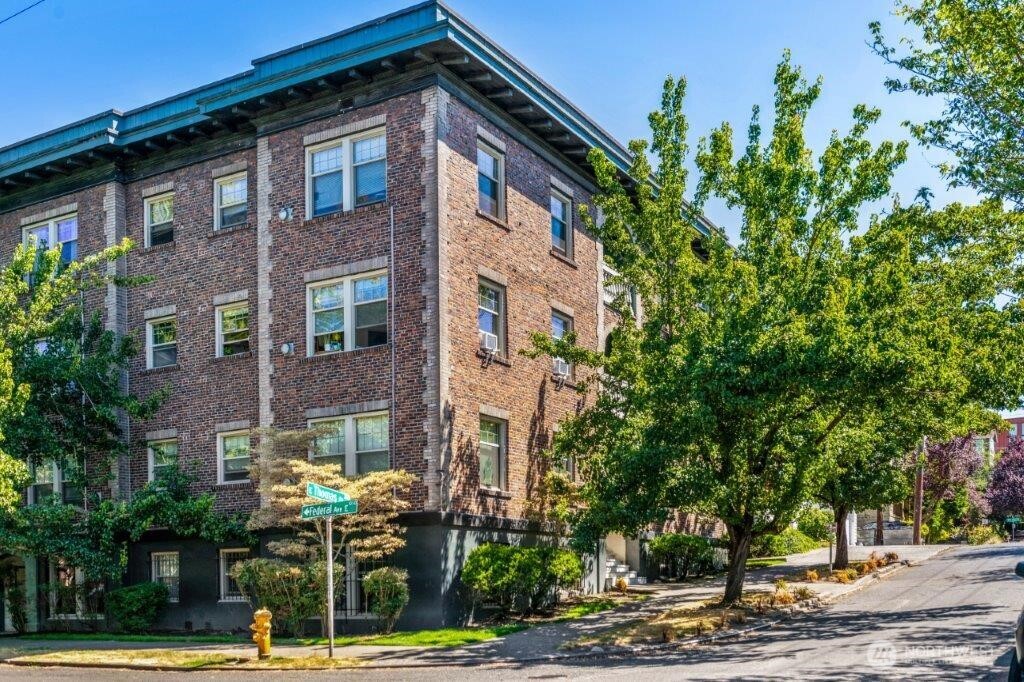
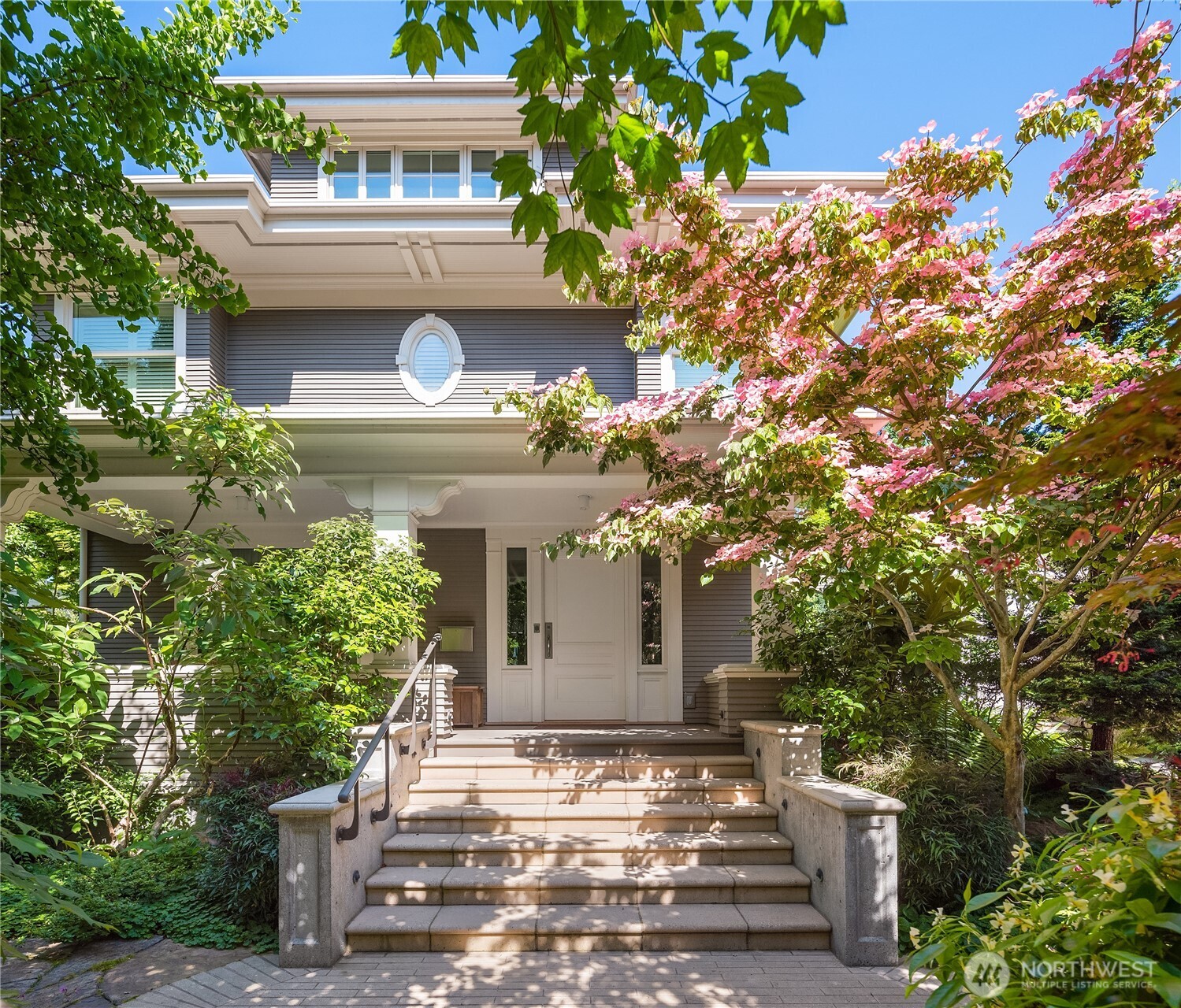
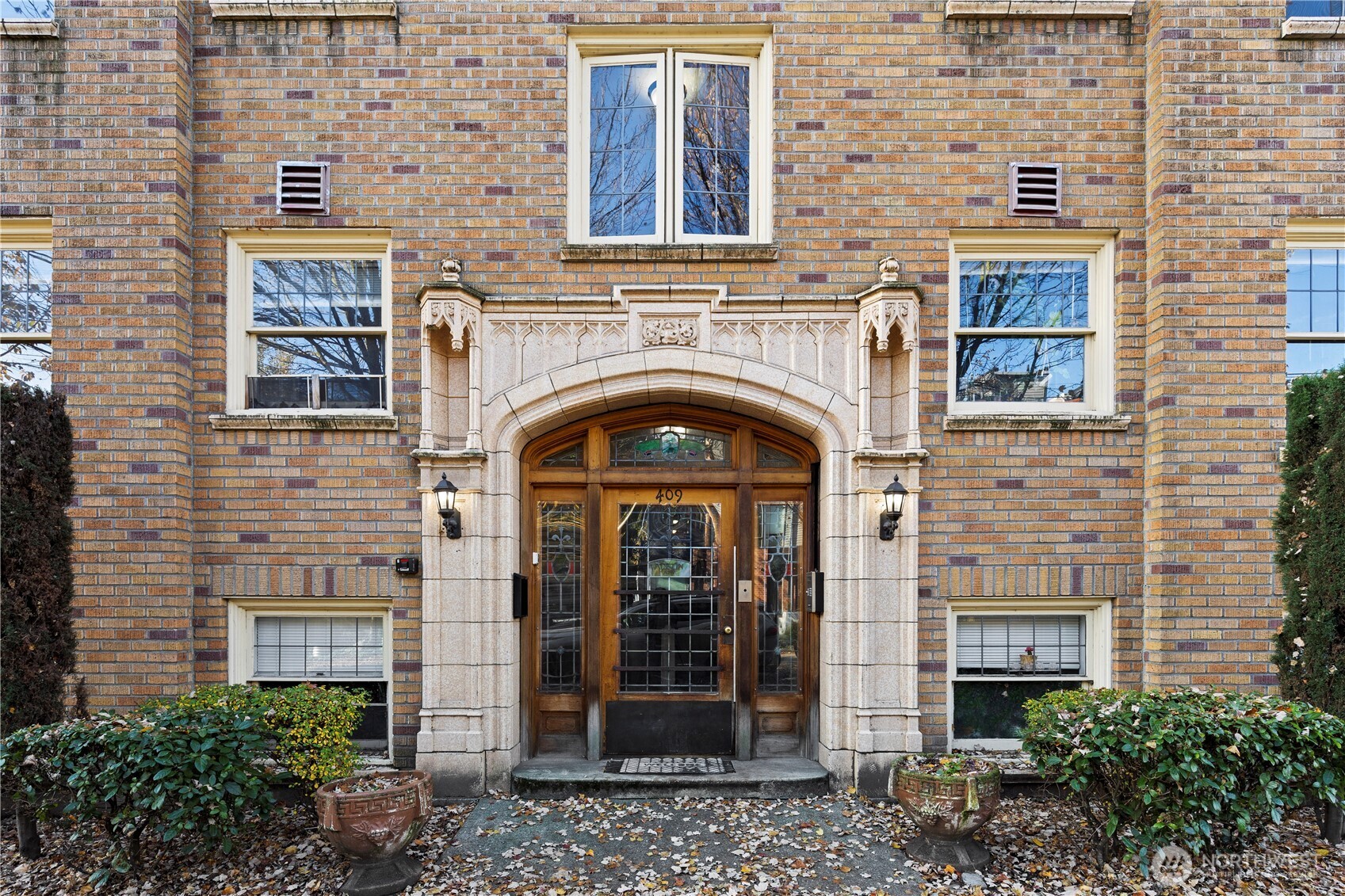
At the top of the market are estate-style single-family residences, including some of Capitol Hill’s largest and most architecturally significant homes. The district also includes smaller detached houses, historic apartments converted into condos, boutique condominium buildings, luxury townhomes, and newer high-end residences.
A one-bedroom condo sold for approximately $400,000 last year, while larger and more luxurious units sell well into the millions. Several developments offer elevators, secure parking, and substantial square footage for buyers who want lower-maintenance living without moving into a conventional high-rise.
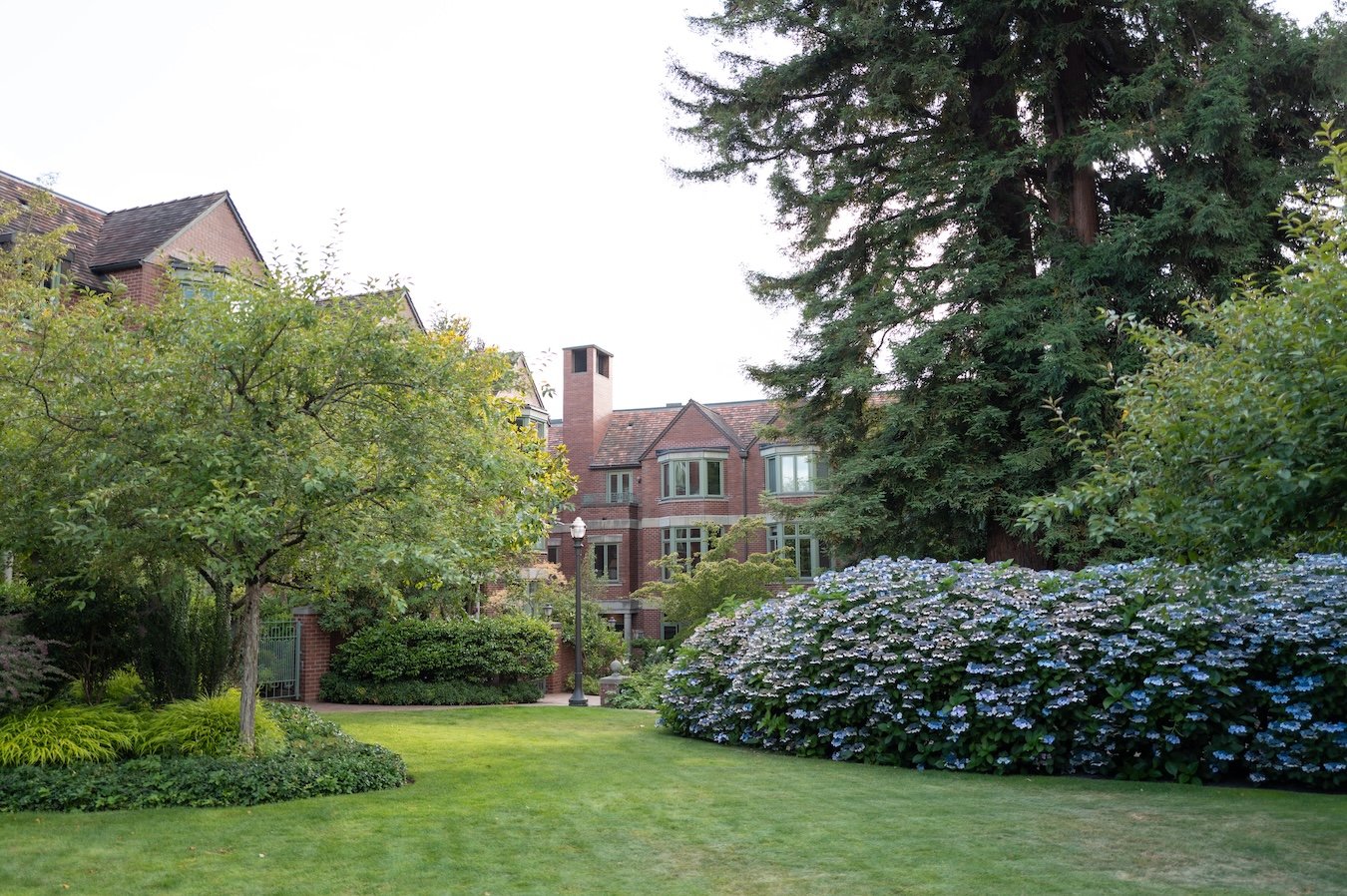
Merrill Court, at 912 Harvard Avenue E, features townhouse-style residences, including units with private elevators.
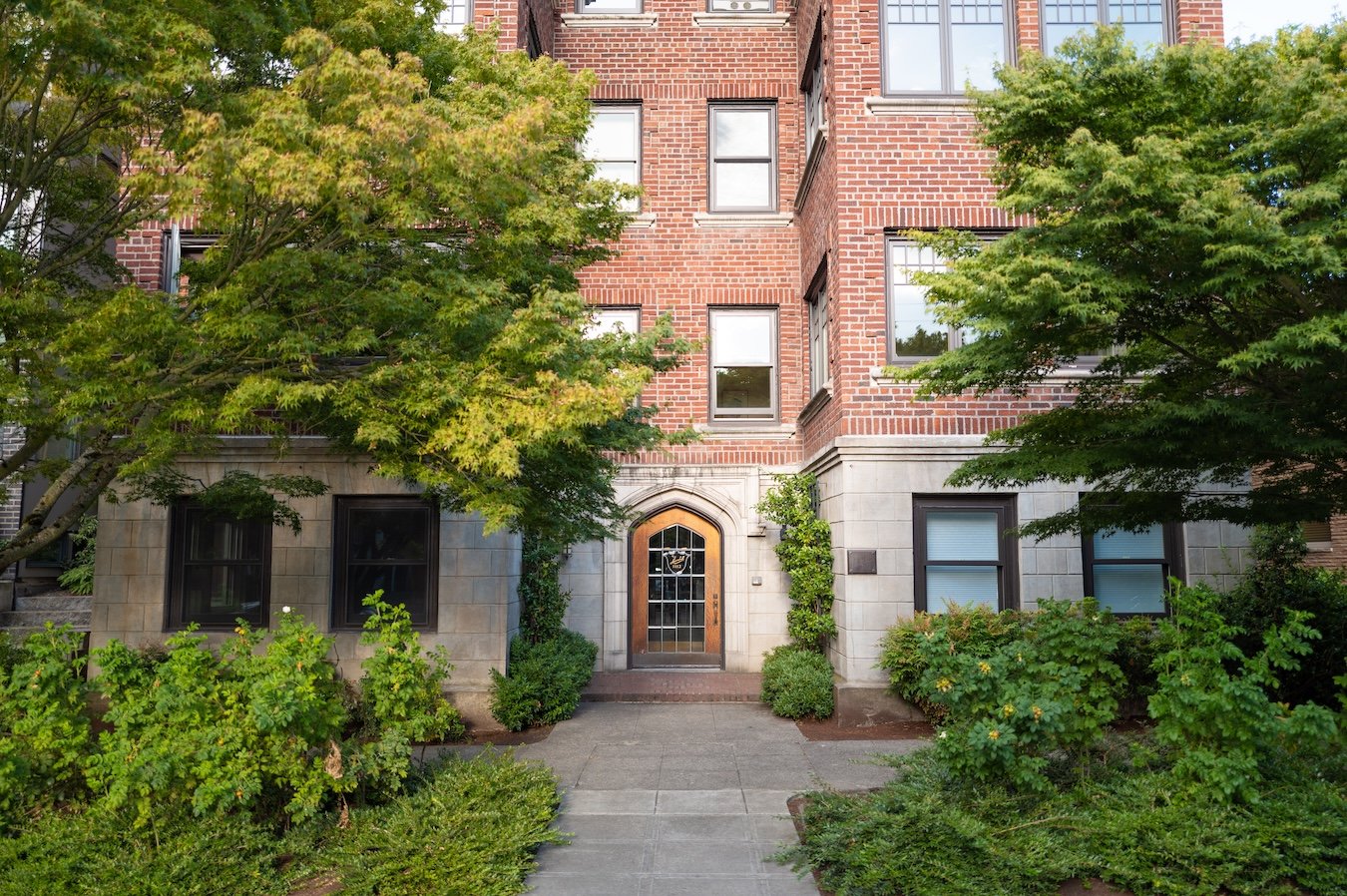
The Laurabell is a boutique historic condominium building. Harvard & Highland offers newer luxury residences, including a roughly 2,300-square-foot unit that sold for approximately $2.7 million within the last 365 days.
Harvard Estate is another concentration of luxury townhome-style residences, with recent pricing around $2.9 million.
The general price range is approximately $400,000 to $3 million, with large single-family estates selling above that range.
Like all of the neighborhoods in North Capitol Hill, it’s very nuanced and doesn’t typically make sense to share average price points. The range of property types, sizes, ages, conditions, and architectural significance is simply too broad. When I’m talking market stats with my buyer and seller clients, we dive into the details together, which is really the best way to gain an understanding of each micro-neighborhood’s unique market.
The designation puts a formal review process between homeowners and certain changes to their properties.
Two historic designations are frequently blurred together here, so it is important to keep them separate. Harvard-Belmont has a City of Seattle Landmark District designation and is also listed in the National Register of Historic Places.
The National Register designation generally does not prevent a private owner using private funds from altering a property. Seattle’s local designation is the one that directly regulates changes within the district.
Exterior alterations, additions, new construction, and the addition or removal of major landscape or site features may require a Certificate of Approval when the proposed work is visible from a public right-of-way. This can include changes involving retaining walls, gateways, significant trees, and driveways.
I sit on the Capitol Hill Historical Society board, and this is one of the questions I receive most frequently. It is also one of the details most commonly misunderstood in real estate listings.
Buyers who plan to remodel, expand, replace exterior elements, alter landscaping, or pursue new construction should investigate the requirements for the specific property before purchasing.
The neighborhood’s architecture, setting, and protected character are extremely difficult to reproduce.
Visible exterior changes and new development are subject to an additional review process. That helps preserve the tree-lined streets, landscaped grounds, historic architecture, open vistas, and distinctive natural features that define the district.
You also cannot recreate an original Shaw-influenced house or reproduce the history of a property designed by one of the region’s most significant early architects.
That does not mean every Harvard-Belmont property will appreciate at the same rate—or that historic designation automatically increases value. It does mean these homes have characteristics and ownership considerations that distinguish them from more conventional Capitol Hill properties.
Harvard-Belmont tends to attract high-intent buyers who already know they want architectural character, a protected setting, and close access to Capitol Hill and downtown.
Some buyers are drawn to the history and craftsmanship of the large estates. Others want a condo or townhome that provides access to the neighborhood without the maintenance of a major historic property.
Most landmark districts effectively appear to offer one price of entry. Harvard-Belmont has several. A buyer might enter through a historic condo, a substantial luxury townhome, a smaller detached house, or a multimillion-dollar estate.
The district even has architectural walking tours. One invites visitors to “have your cake and gossip too,” which tells you something about the history, personality, and curiosity the neighborhood attracts!
Harvard-Belmont feels quiet and residential, but it is immediately adjacent to some of Capitol Hill’s most useful amenities.
Broadway and the Summit area handle much of daily life, with restaurants, cafés, shopping, and services within a short walk. The southern edge of the district transitions naturally into Broadway’s denser commercial and residential activity.
Downtown Seattle is actually pretty close, and the district’s position on the western slope can make it one of the most convenient North Capitol Hill pockets for reaching South Lake Union.
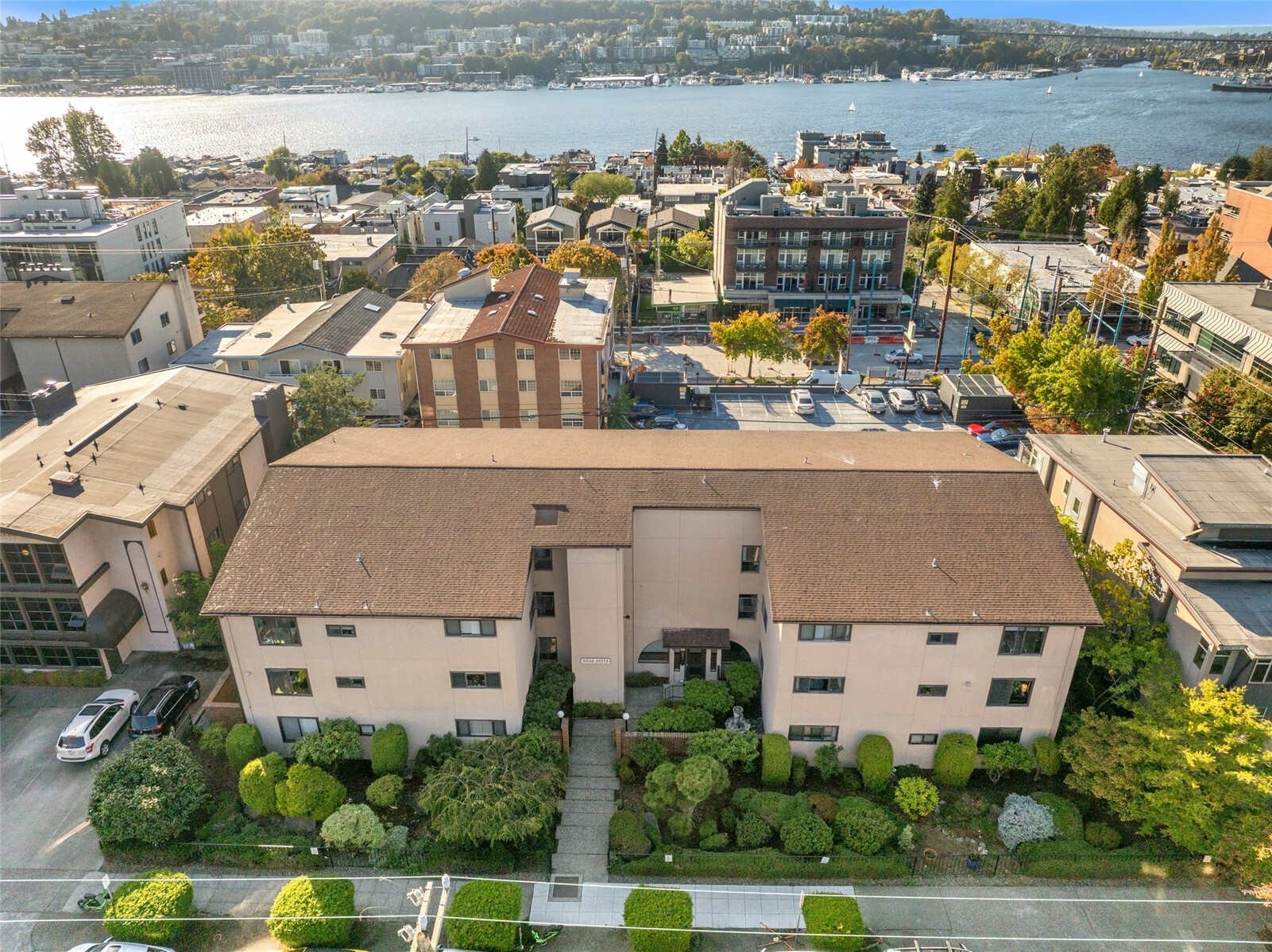
Homes positioned along the western slope may have views toward Lake Union, Queen Anne, and the surrounding city. Buyers should also evaluate freeway noise, particularly at properties closer to I-5. This is also pretty nuanced, and I recommend visiting in person to see how you feel about the noise.
Stop by French Guys bakery off Broadway and order the Nutella crêpe.
The Harvard-Belmont Landmark District is on the western slope of Capitol Hill in Seattle, above I-5. It extends approximately from East Roy Street to the wooded ravine near St. Mark’s Cathedral, with Broadway East and Harvard Avenue East forming parts of its eastern edge.
It is both. Harvard-Belmont is a small residential neighborhood within Capitol Hill, and it is officially designated by the City of Seattle as the Harvard-Belmont Landmark District.
The district preserves a concentration of early-twentieth-century homes built during a major period of Seattle’s growth. Its significance also comes from its tree-lined streets, landscaped grounds, natural topography, wooded ravines, open views, cultural institutions, and mix of large estates and modest houses.
The neighborhood includes Shaw-influenced Tudor and medieval-inspired houses, classical residences, Spanish-style apartments, Tudor-influenced Anhalt buildings, late Victorian homes, and simpler wood-frame houses from several periods.
Yes. Harvard-Belmont contains many of Capitol Hill’s most significant historic estates. The district also includes condos, townhomes, apartments, and smaller detached houses, creating several different points of entry for buyers.
Yes. Harvard-Belmont includes historic courtyard condos, boutique condominium buildings, newer luxury developments, and townhouse-style residences in addition to its well-known single-family estates.
Yes, but visible exterior alterations, additions, new construction, and certain major landscaping or site changes may require a Certificate of Approval from the Seattle Landmarks Preservation Board. Buyers should confirm the requirements for the specific property before beginning work.
No. Early-twentieth-century homes define much of the district’s character, but Harvard-Belmont also includes later houses, apartments, condos, townhomes, cultural institutions, and newer residences. Its varied architecture and mix of uses are part of what make the district distinctive.
About Kale Corey
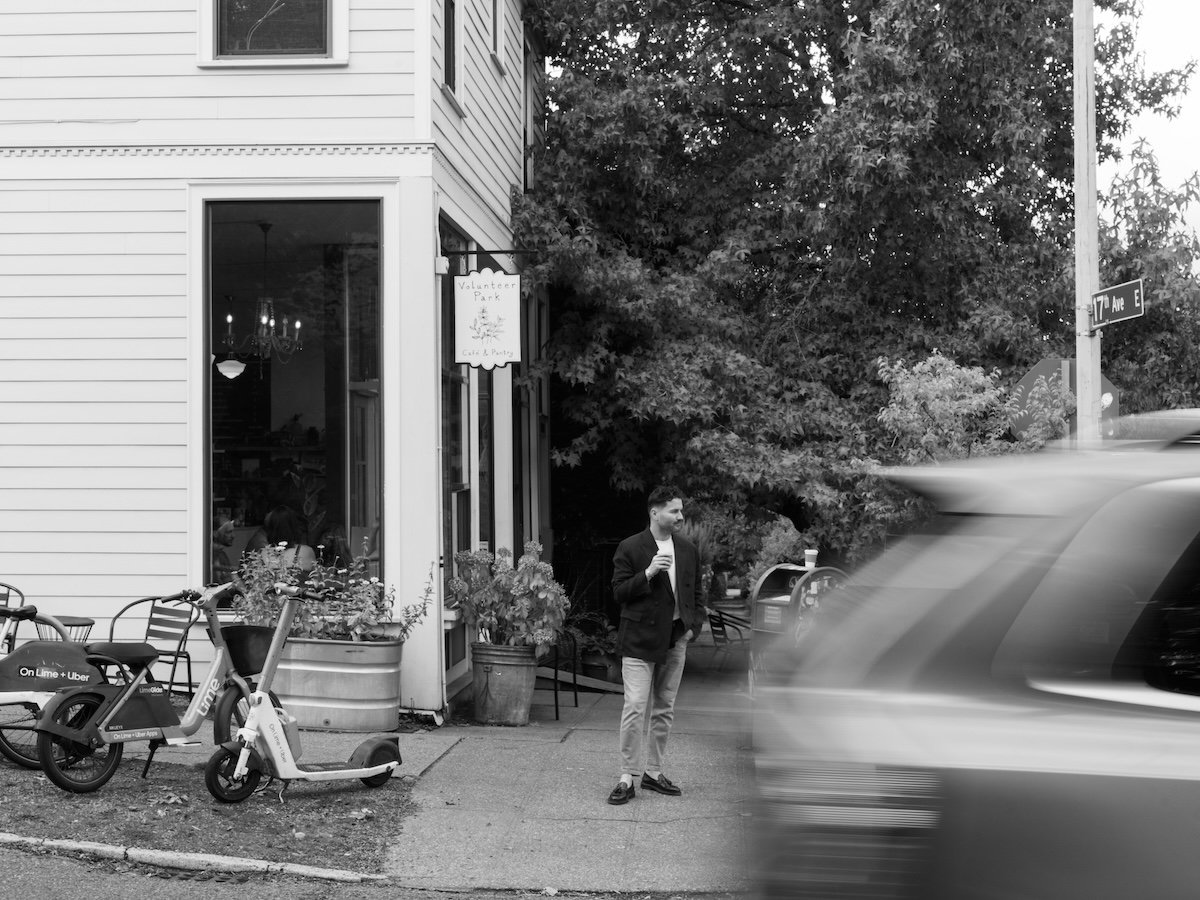
Kale Corey is a Seattle real estate broker with Windermere Real Estate/Capitol Hill, Inc. who calls North Capitol Hill home and specializes in the neighborhood's historic and architecturally significant homes. He serves on the boards of the Volunteer Park Trust and the 15th Avenue Business Improvement Area and is a member of the Capitol Hill Historical Society.
Want to talk about North Capitol Hill? Whether you're considering buying, selling, or simply have questions about the neighborhood, I'd love to connect. Schedule a consultation or give me a call at 425.358.0623.
Washington Real Estate License #120927